

CBD for Anxiety: The Surprising UK Truth (2026)

Quick answer: No CBD product is licensed to treat or relieve anxiety in the UK, and legally, none can claim to. That said, CBD is widely available as a food supplement, many UK users report a subjective sense of calm when using it, and current research is limited but ongoing. Here is what UK regulators actually say, what the evidence shows so far, and what to know before trying it.
Search “CBD for anxiety” and you will find thousands of pages confidently claiming it works. Search UK government guidance on the same topic, and you’ll find something much more cautious. That gap is exactly what this page is here to close, honestly, without the hype either direction.
What Is CBD Actually Allowed to Claim in the UK?
This is the most important section on this page, so let’s start here. In the UK, CBD sold as an oil, gummy, capsule or similar product is regulated as a food supplement, not a medicine. The Food Standards Agency’s official guidance is clear that CBD food products must go through a novel food authorisation process, and nothing in that process involves approving CBD to treat, cure or relieve any medical condition, including anxiety.
The only CBD-based product actually licensed as a medicine in the UK is Epidiolex, and it is licensed for a specific type of severe childhood epilepsy, not anxiety. No CBD oil, gummy or vape sold as a consumer wellness product carries that same medical licence. This is exactly why the UK’s Advertising Standards Authority has taken action against sellers who advertise CBD as something that treats or relieves anxiety symptoms. Any UK retailer telling you otherwise is not following the rules, whatever their marketing copy says.
So What Does the Evidence Actually Show?
Research into CBD and anxiety exists, but it is genuinely still early stage. A handful of small studies have explored CBD’s interaction with serotonin receptors and the body’s endocannabinoid system, and some early results are suggestive of a calming effect in specific, controlled settings. But there is currently no large-scale, UK-based clinical trial confirming that CBD reliably reduces anxiety symptoms across the general population.
UK clinicians who work in this space tend to describe the picture the same way. There is some early evidence worth taking seriously, but not enough to call CBD a proven treatment for any anxiety disorder. That distinction matters. “Worth further research” and “proven to work” are not the same claim, and honest content should never blur the two.
What UK Users Actually Report
Away from clinical trials, plenty of UK CBD users describe a subjective sense of calm, reduced racing thoughts, or an easier wind-down in the evening after taking CBD. These are personal, anecdotal reports rather than proven medical outcomes, and individual experience varies enormously. Some people notice nothing at all. Others describe it as a genuinely useful part of their routine.
If you’re curious about how CBD actually feels in gummy form specifically, including realistic onset times and what a first-time user should expect, our What Do CBD Gummies Do guide covers that in detail, using the same honest, no-hype approach as this page.
Why So Much Online Content About CBD and Anxiety Gets This Wrong
If you’ve searched “CBD for anxiety” before landing here, you’ve probably already seen confident claims backed by vague references to “studies” that are never actually named or linked. This is extremely common in the CBD space, and it’s worth understanding why, so you can spot it elsewhere.
A lot of CBD marketing quietly borrows the language of clinical proof, phrases like “clinically shown,” “science-backed,” or a suspiciously specific statistic like “40% reduction in symptoms,” without linking to an actual, checkable study. In some cases the study doesn’t exist at all, or it was a small, early-stage trial that got stretched into a much bigger claim than the researchers themselves made. That’s not honest content, and it’s exactly what UK advertising regulators have taken action against.
A simple test worth applying to any CBD and anxiety claim you read elsewhere: if a page can’t link you to the actual named study, or if it uses words like “helps with” and “relieves” as though they’re settled facts, treat it with real scepticism.
Common CBD Formats and How They’re Typically Used
CBD is sold in several formats in the UK, and while none of them can legally claim to help with anxiety specifically, it’s worth understanding how they differ if you’re exploring CBD generally.
- CBD oil, taken sublingually (under the tongue), tends to have a faster onset than edibles since it’s absorbed partly before digestion.
- CBD gummies, covered in full in our What Do CBD Gummies Do guide, must be digested first, so onset is slower but the dosing is more consistent and discreet.
- CBD flower and hash, typically vaped or used to make tea, offer the fastest onset of all formats when vaped, though this comes with its own considerations around inhalation.
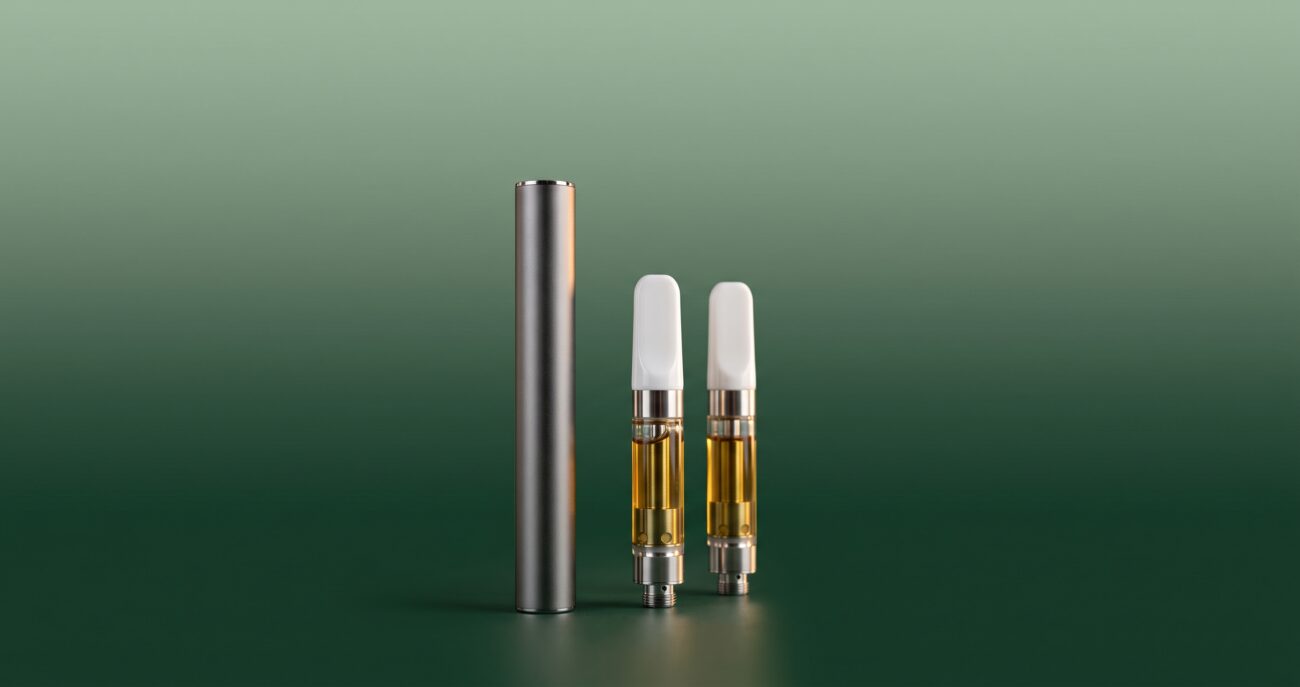
- CBD vape pens, a convenient middle ground between oil and flower, with onset similar to vaping flower.
None of these formats has been shown to be more effective than another for any specific reported effect, including anxiety-related use. If you’re specifically comparing CBD for anxiety across formats, the honest answer is that format choice comes down to preference and onset speed, not proven effectiveness.
The Food Standards Agency specifically advises against CBD use, unless under medical direction, for the following groups:
- Children under 18.
- Anyone taking prescription medication, since CBD can interact with how certain drugs are processed by the liver.
- Anyone who is pregnant, breastfeeding, or trying to conceive.
If you fall into any of these groups, or you’re currently managing anxiety with prescribed medication, speak to a GP or pharmacist before adding CBD into the mix, rather than assuming it’s automatically safe to combine.
If You’re Curious About Trying CBD
If, after reading all of the above, you’d still like to explore CBD for anxiety-adjacent use for yourself, here is how to do it sensibly rather than chasing marketing promises.
- Start low and go slow. Our CBD daily dosage calculator can help you work out a sensible starting point based on your body weight.
- Choose a lab-tested product with a published Certificate of Analysis, so you actually know what you’re taking.
- Give it time. Whatever effect people report tends to build gradually with consistent use, rather than appearing after a single dose.
- Keep a simple log of what you took and how you felt, so you can judge your own results rather than relying on anyone else’s claims, including ours.
For a full explainer on the legal side of buying CBD in the UK, see our CBD legal status guide.
When to Speak to a Professional Instead
If anxiety is affecting your daily life, sleep, work or relationships, that’s worth raising with a GP rather than relying on a supplement alone, whatever the supplement. CBD, at best, is something some people use alongside proper support, not a replacement for it. A GP can also advise on whether CBD is sensible for you personally, particularly if you’re already on medication.
CBD for Anxiety: Quick Recap
So, does CBD help with anxiety? No UK product can legally claim that it does, and the evidence isn’t there yet to say so definitively either way. What we can say honestly is that CBD for anxiety is something many UK users try, some report a subjective calming effect from, and that current research is ongoing but limited. That’s the honest answer, even if it’s less exciting than the marketing you’ll find elsewhere.
Related Guides
- What Do CBD Gummies Do? Effects Timeline
- Is CBD Flower Legal in the UK?
- CBD Daily Dosage Calculator
- CBD Flower vs Hash vs Vapes: What’s the Difference?
Frequently Asked Questions
Is CBD proven to help with anxiety?
No. No CBD product is licensed as a treatment for anxiety in the UK, and current research is limited. Some users report a subjective calming effect, but this is not the same as clinical proof.
Can I take CBD alongside anxiety medication?
Speak to a GP or pharmacist first. CBD can interact with how the liver processes certain medications, so combining it with prescribed treatment should always be checked professionally first.
Is CBD legal in the UK?
Yes, CBD is legal in the UK when sold as a compliant food supplement with permitted THC levels. See our full legal guide for details.
How much CBD should I start with?
Most guidance suggests starting with a low dose and increasing gradually. Our dosage calculator can help you find a sensible starting point.
Who shouldn’t take CBD?
The Food Standards Agency advises against CBD use, unless under medical direction, for children under 18, anyone on prescription medication, and anyone pregnant, breastfeeding, or trying to conceive.
This article is for informational purposes only and does not constitute medical advice. CBD products are not medicines and are not intended to diagnose, treat or cure any condition. If you are experiencing anxiety that affects your daily life, please speak to a GP or other qualified healthcare professional.

CBD Flower UK is an independent cannabinoid retailer based in Bromsgrove, West Midlands, founded in 2024. We stock only third-party tested, UK-compliant cannabinoid products including HHCP vapes, HHCP hash, THCX vapes, CBD flower, and more. Every guide we publish is designed to give UK buyers honest, accurate information about legal cannabinoid products.